
Introduction
Imagine an AI that doesn’t just read text but also understands images, videos, and even your tone of voice. That’s multimodal AI—a game-changer in artificial intelligence. Unlike traditional AI models that process a single data type, multimodal AI combines multiple inputs to deliver more human-like responses.
Additionally, picture an AI that doesn’t just read words but also sees images, hears sounds, and even detects emotions. That’s multimodal AI, the next big leap in artificial intelligence. Furthermore, unlike older AI systems that handle only one type of data, this new generation combines everything for smarter, more natural interactions.
Moreover, how does it work? And how can you make the most of it? This guide explains it all in simple terms from basics to real-world uses.
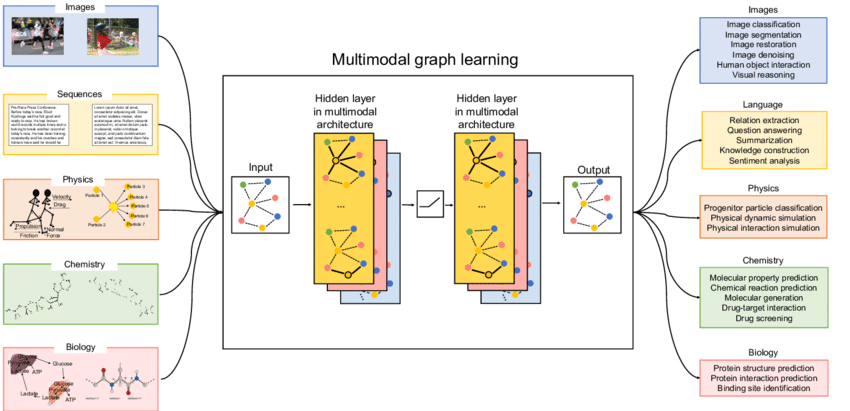
What Is Multimodal AI?
Multimodal AI works with multiple data types at once text, pictures, sounds, and more. Additionally, it connects these inputs like our human brain does, leading to a better understanding.
If you want to read How to Use Claude AI Click Here
Real-life examples:
- Firstly, ChatGPT-4o chats using text, voice, and images together
- Secondly, Self-driving cars blend camera feeds and sensor data to navigate
- Thirdly, Doctors’ aides review X-rays while reading patient notes
Why It’s a Big Deal
Our world isn’t text-only. We talk, point, show, and gesture. AI that gets this is simply more helpful.
How Multimodal AI Works (Simplified)
- Firstly, takes in data – Like reading a message while seeing a photo
- Secondly, Spot patterns – Noticing a dog in that photo
- Thirdly, connects ideas – Understanding you’re asking about the dog’s breed
The Tech Behind It
- Firstly, Transformers (like GPT-4) juggle different info types
- Secondly, Image processors identify objects in photos
- Thirdly, Voice tech turns speech into text
5 Ways to Use Multimodal AI Today
1. Create Better Content
- Firstly, make social posts with matching text and images instantly
- Secondly, design ads that change based on what users like
2. Improve Healthcare
- Help doctors by analyzing scans and medical history together
- Track patient moods through voice tone and facial cues
3. Upgrade Customer Service
- Chatbots that understand both typed messages and voice tone
- Help desks that read screenshots while you explain problems
4. Build Smarter Cars
- Combine traffic cameras and sensors to avoid accidents
- Predict if a pedestrian will cross by their body language
5. Teach More Effectively
- Learning apps that explain math with words, drawings, and speech
- Systems that grade essays and oral presentations fairly
Key Facts: Multimodal AI Before You Start
1. Good Data = Good Results
Poor quality inputs lead to mistakes. Always check your data sources.
2. You’ll Need Strong Computers
Handling multiple data types requires powerful hardware.
3. Watch for Privacy Issues
- Fake videos (deepfakes) can spread lies
- Facial recognition might invade privacy
4. Not Everything Works Together Yet
Check if new tools fit with your current systems before buying.
What’s Coming Next: Multimodal AI
The near future holds:
✔ Firstly, AI that reads human emotions during video calls
✔ Secondly, Tools that create videos from written descriptions
Thirdly, More businesses are using these systems daily
Multimodal AI Wrapping Up
Multimodal AI is changing how machines understand us. Whether you run a business, teach, or build tech, these tools can help you work smarter.
Want to try it? Start with:
- GPT-4o (by OpenAI)
- Google Gemini
- Meta’s ImageBind
Finally, the future isn’t about choosing between text, images, or speech it’s using them all together.
Quick Questions Answered
Q: Is this better than regular AI?
A: Yes! It’s like upgrading from black-and-white TV to color.
Q: Who benefits most?
A: Doctors, teachers, marketers, and car makers see huge advantages.
Q: Can I try it for free?
A: Some tools offer free trials. Check OpenAI and Google’s latest releases.