
Introduction
3D bioprinting is revolutionizing the fields of medicine and biotechnology. This innovative technology allows us to create living tissues and organs using a combination of cells, biomaterials, and growth factors. In this blog, we’ll explore how 3D bioprinting works, its applications, and what you need to know to understand its potential impact on healthcare.
What is 3D Bioprinting?
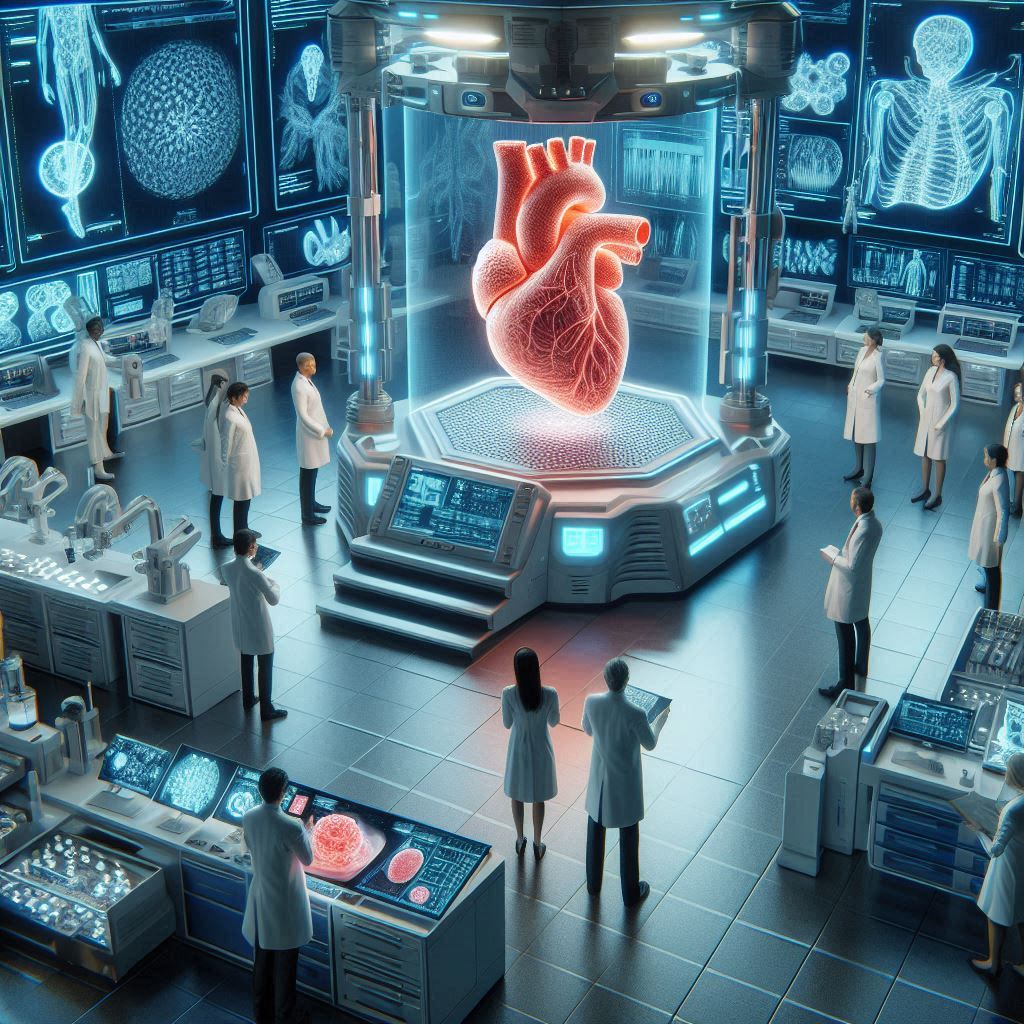
3D bioprinting is a specialized form of additive manufacturing that uses biological materials, often referred to as bioinks, to create three-dimensional structures. Additionally, these structures can mimic the properties of natural tissues and organs. The process involves layering living cells and biomaterials to produce functional biological constructs.
If you want to read about Automation Tools Click Here
Key Components of 3D Bioprinting
- Bioinks: Firstly, these are materials that contain living cells mixed with a gel-like substance that supports cell viability.
- Bioprinters: Secondly, it is specialized printers designed to deposit bioinks layer by layer to build complex structures.
- Scaffolds: Thirdly, it’s supports structures that help maintain the shape of the printed tissue until it matures.
The 3D Bioprinting Process
The process of 3D bioprinting can be broken down into three main stages: pre-bioprinting, bioprinting, and post-bioprinting. Moreover, each stage is crucial for ensuring the successful creation of viable tissues.
1. Pre-Bioprinting
During the pre-bioprinting phase, researchers prepare the digital model and select the appropriate materials. This step includes:
- Model Creation: Firstly, researchers use imaging technologies such as MRI or CT scans to create a detailed model of the organ or tissue.
- Cell Selection: Secondly, researchers isolate specific cells from a biopsy or culture them in a lab.These cells will form the basis of the bioink.
- Bioink Preparation: Thirdly, researchers mix the selected cells with biomaterials that provide nutrients and support for cell growth
2. Bioprinting
The actual printing process involves using a bioprinter to deposit layers of bioink according to the digital model. Key elements include:
- Layer-by-Layer Printing: Firstly, the printer deposits bioink in thin layers, gradually building up the structure.
- Precision Placement: Secondly, advanced software guides the printer head to ensure accurate placement of cells and materials.
- Crosslinking: Thirdly, some bioprinters use light or heat to solidify each layer as it is printed, helping maintain structural integrity.
3. Post-Bioprinting
After printing, the tissue constructs require further cultivation and maturation:
- Incubation: it’s places the printed tissues in a bioreactor or incubator where it can grow and develop.
- Monitoring: Researchers monitor conditions such as temperature, pH, and nutrient supply to ensure optimal growth.
- Testing: Once matured, the constructs undergo mechanical and biological testing to evaluate their functionality.
Applications of 3D Bioprinting
3D bioprinting has numerous applications across various fields. Here are some of the most promising areas:
1. Tissue Engineering
One of the primary uses of 3D bioprinting is in tissue engineering. Additionally, researchers aim to create functional tissues that can replace damaged or diseased ones. For instance:
- Skin Grafts: Doctors can use bioprinted skin for burn victims or patients with chronic wounds
- Cartilage Repair: Scientists are developing cartilage structures that can be implanted in joints.
2. Organ Transplantation
The potential for creating entire organs using bioprinting technology is groundbreaking. While still in experimental stages, researchers are working on:
- Kidneys: Bioprinted kidneys could alleviate organ shortage issues.
- Livers: Functional liver tissues may be developed for transplantation or drug testing.
3. Drug Testing and Development
Pharmaceutical companies can use bioprinted tissues for drug testing. Additionally, this approach allows for more accurate predictions of how drugs will affect human tissues compared to traditional models.
4. Personalized Medicine
3D bioprinting can facilitate personalized medicine by creating patient-specific tissues based on their genetic material. Moreover, this customization enhances treatment efficacy and reduces rejection rates.
Challenges in 3D Bioprinting
Despite its potential, 3D bioprinting faces several challenges:
- Complexity of Tissues: Firstly, it is creating complex tissues with multiple cell types and structures remains difficult.
- Vascularization: Secondly, it is developing functional blood vessels within printed tissues. It is crucial for nutrient delivery but remains a significant hurdle.
- Regulatory Hurdles: Thirdly, it’s approval process for bioprinted products is complex and varies by region.
- Cost: Fourthly, in this technology and materials required for bioprinting can be expensive, limiting accessibility.
Future Trends in 3D Bioprinting
The future of 3D bioprinting looks promising with several trends emerging:
1. Advances in Bioinks
Researchers are developing new bioinks that better mimic natural tissues. Additionally, these materials may include stem cells or growth factors that enhance cell viability and functionality.
2. Integration with AI
Artificial intelligence (AI) could play a role in optimizing printing processes, moreover, predicting tissue behavior during development.
3. Expansion into Regenerative Medicine
As techniques improve, we may see more applications in regenerative medicine, including repairing damaged organs or tissues using patients’ own cells.
4. Increased Collaboration
Collaboration between academia, industry, and regulatory bodies will be essential for advancing 3D bioprinting technologies.
How You Can Get Involved in 3D Bioprinting
If you’re interested in exploring 3D bioprinting further, here are some steps you can take:
- Educational Resources: Firstly, it’s worth looking for online courses or workshops focused on bioprinting technologies.
- Networking Opportunities: Secondly, it attends conferences or webinars related to biotechnology and tissue engineering.
- Research Projects: Thirdly, it gets involved in research projects at universities or institutions that focus on bioprinting applications.
- Stay Informed: Follow industry news and advancements in 3D bioprinting through journals and online publications.
Conclusion
3D bioprinting represents a revolutionary advancement in biotechnology with immense potential for transforming healthcare. By understanding its processes, applications, and challenges, you can appreciate how this technology may shape the future of medicine.
As research continues to evolve and overcome existing hurdles, we may soon witness a world where custom-made tissues and organs become a reality, offering hope for countless patients worldwide.
Embrace this exciting field today! Whether you’re a student, researcher, or simply curious about biotechnology, there’s never been a better time to explore the possibilities of 3D bioprinting.