
Introduction
Autonomous cars are revolutionizing transportation, offering convenience, safety, and efficiency. But how do they work, and what should you know before using one?
Additionally, self-driving cars are changing how we travel. They promise safer roads, less traffic, and more free time. But how do you use one? Then, this guide breaks it down in plain language that anyone can understand.
What Are Autonomous Cars?
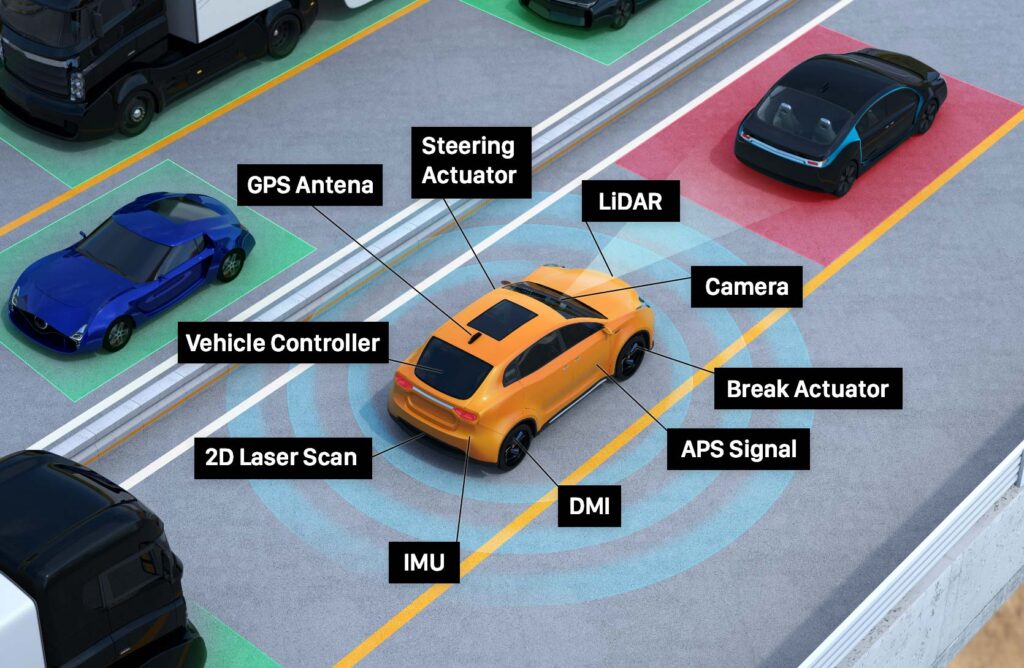
These smart vehicles drive themselves using cameras, sensors, and computers. Moreover, they see the road, make decisions, and steer without your help. Pretty cool, right?
Key Features You Should Know
- Smart Cruise Control – Firstly, it keeps a safe gap from cars ahead
- Lane Assist – Secondly, stays centered in your lane
- Auto Braking – Thirdly, it stops if something jumps in front
- Hands-Free Parking – Then, finds spots and parks itself
Autonomous Cars: Levels of Autonomy
It’s important to know that not all autonomous cars are created equal. The Society of Automotive Engineers (SAE) defines six levels of automation:
| Level | Description | Human Role |
|---|---|---|
| 0 | No Automation | Full control |
| 1 | Driver Assistance (e.g., cruise control) | Supervise |
| 2 | Partial Automation (steering & speed) | Supervise |
| 3 | Conditional Automation (some scenarios) | Take over if prompted |
| 4 | High Automation (specific areas/situations) | Rarely needed |
| 5 | Full Automation (all conditions) | No intervention required |
Additionally, most cars on the road today are at Level 2 or 3, meaning you must remain attentive and ready to take control.
If you want to read about TPUs, Click Here.
Autonomous Cars: How to Use a Self-Driving Car (Step by Step)
1. Get In and Get Ready
Open the car with your phone or key. Buckle up, safety first! Make sure everyone else does too.
2. Turn On Self-Driving Mode
Hit the auto-drive button (look for it on the wheel or dash). The car will check its surroundings before taking over.
3. Tell It Where to Go
Type your destination into the screen. Then, the car picks the best route and starts driving.
4. Stay Alert
Even though it drives itself, you must watch the road. Keep your hands close to the wheel just in case.
5. Take Over If Needed
Moreover, if the car beeps or flashes a warning, grab the wheel right away. Bad weather or weird roads might confuse it.
6. Arrive and Exit
Finally, at your stop, the car parks itself or waits for you. Turn off self-drive, get out, and lock up.
Safety Must-Knows about Autonomous Cars
- Firstly, no naps or phones – You’re still in charge
- Secondly, bad weather? Be extra careful – Then, rain and snow mess with the sensors
- Thirdly, update often – New software makes it smarter
Autonomous Cars FAQs – Quick Answers
1. Do these cars drive alone?
Most still need you to pay attention and help sometimes.
2. Are they safer than regular cars?
They prevent many human mistakes, but nothing’s perfect yet.
3. Can they drive in storms?
Not well. Moreover, heavy rain or snow makes them less reliable.
4. Do I need a special license?
Not usually, but check your local laws.
5. How do they ‘see’ the road?
Cameras and lasers scan everything around them.
6. Can someone hack my self-driving car?
It’s rare, but possible. Then, always install updates to stay protected.
What’s Next for Self-Driving (Autonomous Cars)?
Soon, they’ll get even better. More cities will allow fully driverless taxis and delivery trucks. Then, the future’s coming fast!
Final Thoughts about Autonomous Cars
Finally, Autonomous cars offer a glimpse into the future of transportation. By understanding how they work and following safety guidelines, you can enjoy a seamless and secure driving experience.
Your Turn
Would you ride in a car with no driver? What worries you most? Then, share your thoughts below!