
Introduction
Switching to solar energy is a smart move for your home, wallet, and the environment. Solar panels cut electricity bills and reduce your carbon footprint. But installing them can feel overwhelming. Don’t worry—this guide breaks it down into simple steps. From planning to connection, we’ve got you covered. Let’s dive in!
Why Go Solar?
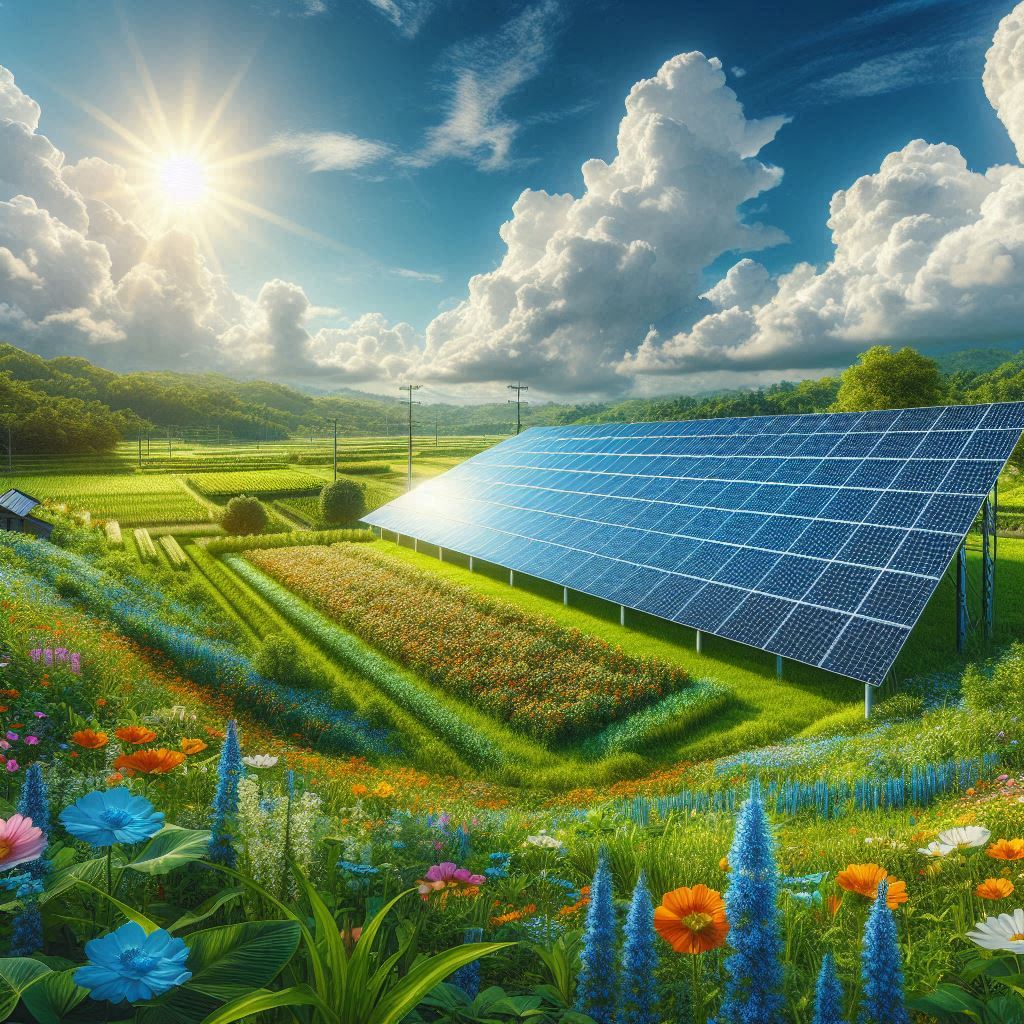
Before we talk about installation, let’s look at why solar panels are worth it. Solar energy is clean, renewable, and saves money over time. By generating your power, you rely less on the grid. Moreover, Many governments also offer incentives like tax credits and rebates. Over time, the savings on your energy bills can cover the installation costs.
Step 1: Check Your Energy Use for Solar Panels
Firstly, start by understanding how much energy your home uses. Look at your electricity bills to see your monthly usage. For example, if your home uses 1,000 kWh per month, you’ll need a system that can produce at least that much.
Step 2: See If Your Roof Is a Good Fit for Solar Panels
Next, check if your roof is suitable for solar panels. Here’s what to look for:
- Roof Condition: Firstly, make sure the roof is strong and in good shape. If it’s old or damaged, fix it first.
- Direction and Angle: Secondly, south-facing roofs with a slope of 15 to 40 degrees work best.
- Shade: Thirdly, avoid areas with trees or buildings that block sunlight.
If your roof isn’t ideal, ground-mounted panels are a great alternative.
Step 3: Pick the Right Panels and Inverter
Now, choose your solar panels and inverter. There are three main types of panels:
- Monocrystalline: Efficient and sleek but pricey.
- Polycrystalline: Affordable but less efficient.
- Thin-Film: Light and flexible but less durable.
Additionally, the inverter converts the energy from the panels into usable electricity. You can choose between string inverters, microinverters, or power optimizers.
Step 4: Get Permits and Approvals
Before installing, you’ll need permits. This step depends on where you live but usually includes:
- Building Permits: Firstly, make sure your setup follows local rules.
- Electrical Permits: Secondly, ensure your system is safe.
- HOA Approval: Thirdly, if you’re in a community, check their guidelines.
Your installer can often handle this for you.
Step 5: Install the Solar Panels
Once everything is ready, it’s time to install. Here’s how it works:
- Set Up the Racking System: Firstly, this holds the panels in place.
- Mount the Panels: Secondly, attach them to the racking system.
- Connect the Wiring: Thirdly, link the panels to the inverter.
- Install the Inverter: Place it near your main electrical panel.
- Connect to the Grid: Finally, if you’re grid-tied, link your system to the utility grid.
Step 6: Inspect and Turn On the System
After installation, an inspector will check your system. Once approved, your installer will turn it on, and you’re ready to go!
Tips for a Smooth Installation
Follow these tips for success:
- Hire a Pro: A certified installer ensures safety and quality.
- Check Warranties: Choose panels and inverters with good warranties.
- Monitor Performance: Use a system to track energy production.
- Maintain Your Panels: Clean and inspect them regularly.
Mistakes to Avoid
Avoid these common errors:
- Ignoring Roof Condition: Fix any roof issues first.
- Choosing Cheap Options: Low-quality panels or installers can cost more later.
- Missing Incentives: Research rebates and tax credits to save money.
Benefits of Solar Panels
Installing solar panels offers many perks:
- Lower Bills: Save on electricity costs.
- Higher Home Value: Solar panels boost property value.
- Eco-Friendly: Reduce your carbon footprint.
- Energy Independence: Protect yourself from rising energy prices.
Final Thoughts
Installing solar panels is a great way to save money and help the planet. By following these steps, you can ensure a smooth process. Remember, planning, quality equipment, and professional installation are key.
Ready to go solar? Contact a trusted installer today. If you found this guide helpful, share it with others. Together, we can create a cleaner, brighter future!