
Introduction
Reducing carbon emissions is essential in the fight against climate change, and carbon capture technology is stepping up as a crucial player. If you want to understand how carbon capture works, why it matters, and what you should know before supporting or implementing it, this guide will walk you through the essentials, with clear explanations, active voice, and smooth transitions.
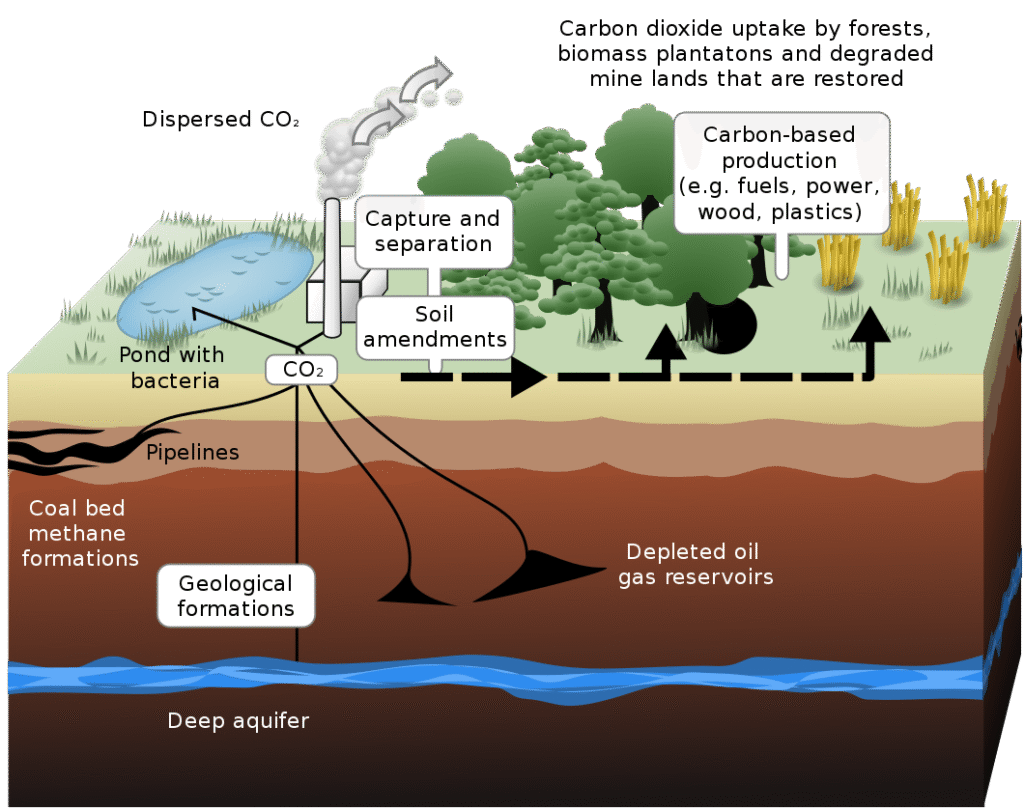
What Is Carbon Capture & Why Is It Important?
Carbon capture and storage (CCS) traps CO₂ emissions from power plants, factories, and other industrial sources before they enter the atmosphere. By stopping these greenhouse gases, CCS helps slow global warming.
If you want to read about Green Hydrogen, Click Here.
How Carbon Capture Works: A 3-Step Process
1. Capture
Firstly, CO₂ is separated from other gases using different methods:
- Post-combustion: Filters CO₂ from exhaust after burning fossil fuels.
- Pre-combustion: Removes CO₂ before combustion in gasification processes.
- Oxyfuel combustion: Then, it burns fuel in pure oxygen, making CO₂ easier to capture.
2. Transport
Then, companies liquefy the CO₂ and move it safely through pipelines, ships, or trucks to storage locations.
3. Storage
Finally, Workers pump the CO₂ underground, locking it safely in rock layers forever.
Pros & Challenges of Carbon Capture
✅ Benefits:
- Firstly, cuts emissions from heavy industries.
- Secondly, supports cleaner energy transitions.
- Thirdly, it can create jobs and boost tech innovation.
- Some captured CO₂ can be reused (e.g., in fuels or concrete).
❌ Challenges:
- High costs and funding hurdles.
- Risks of leaks or groundwater contamination.
- Then, public and regulatory acceptance varies.
Carbon Capture vs. Carbon Removal: What’s the Difference?
- CCS stops new CO₂ emissions at the source (e.g., factories).
- Carbon removal (CDR) pulls existing CO₂ from the air (e.g., direct air capture). CDR is costlier but tackles historical emissions.
FAQs: Quick Answers to Key Questions
Q: Where is CO₂ stored?
A: Deep underground (1+ km) sealed rock layers like saline aquifers or old oil fields.
Q: Is CCS the same as carbon removal?
A: No—CCS prevents new emissions; carbon removal cleans existing CO₂ from the air.
Q: Which industries use CCS?
A: Power plants, steel, cement, chemicals, and some biofuel producers.
Q: Is it safe?
A: Yes, when properly managed. Sites are monitored to prevent leaks.
Q: How much CO₂ is captured today?
A: ~45 million tons yearly, equal to emissions from 10 million cars.
Final Takeaway
Carbon capture isn’t a standalone fix, but it’s a vital tool for cutting industrial emissions. Finally, as tech improves and costs drop, CCS could help hit net-zero goals. Staying informed ensures smarter decisions, whether you’re a leader, advocate, or curious citizen.