
Introduction
Climate change is one of the biggest challenges we face today. To combat rising CO₂ levels, scientists and engineers have developed carbon capture technology. But what exactly is it? How does it work? And why should you care?
Additionally, climate change is a huge problem. To fight it, we need to cut CO₂ emissions fast. Then, one powerful tool is carbon capture technology. But what is it? How does it help? And why should you care?
Meanwhile, this guide explains carbon capture in simple terms. You’ll learn how it works, its benefits, challenges, and what the future holds. Let’s dive in!
What Is Carbon Capture?
Carbon capture traps CO₂ before it enters the air. We can then store it underground or use it to make products. Then, this helps reduce global warming.
Why Do We Need It?
- Firstly, cuts CO₂ emissions from factories and power plants.
- Secondly, helps industries like steel and cement lower their pollution.
- Thirdly, works alongside renewable energy to clean up our air.
Now, let’s see how it works.
If you want to read about IoT Innovations, Click Here
How Carbon Capture Works
There are three main steps:
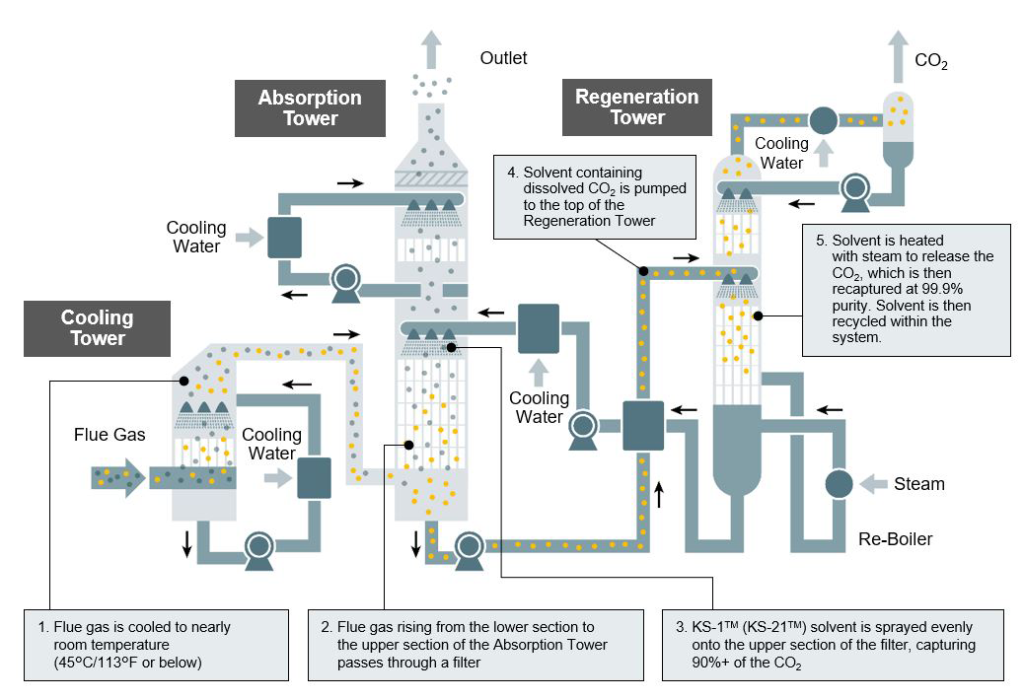
1. Capturing the CO₂
Firstly, we pull CO₂ out of smoke from factories or even from the air. Moreover, there are three ways to do this:
- Firstly, after burning fuel (common in power plants).
- Secondly, before burning fuel (used in gas processing).
- Thirdly, from the air itself (new tech called direct air capture).
2. Moving the CO₂
Next, we compress the CO₂ and send it through pipelines to storage sites.
3. Storing or Using It
Finally, we either:
- Firstly, pump it deep underground where it can’t escape.
- Secondly, turn it into useful things like concrete, fuel, or plastic.
Why Carbon Capture Is Good
This tech is already helping the planet. Here’s how:
1. Fights Climate Change
Some projects remove millions of tons of CO₂ every year. That’s like taking thousands of cars off the road.
2. Cleans Up Dirty Industries
Some factories can’t easily switch to clean energy. Moreover, it helps them pollute less.
3. Creates Jobs
Building and running it, plants create work for engineers, builders, and more.
4. Makes Cleaner Fuels
Captured CO₂ can be turned into fuel, reducing our need for oil.
Problems With Carbon Capture
It’s not perfect yet. Here are the biggest challenges:
1. It’s Expensive
Setting up carbon capture plants costs a lot, but prices are dropping.
2. Uses Lots of Energy
Then, some methods need huge amounts of power, which must come from clean sources.
3. Storage Risks
If CO₂ leaks from underground, it could undo the benefits. Good monitoring is key.
4. Carbon Capture: Some People Don’t Trust It
Furthermore, critics worry it keeps us using fossil fuels instead of switching to renewables faster.
Still, new tech is making carbon capture better every year.
Carbon Capture: How You Can Help
You don’t need to be a scientist to support carbon capture. Here’s what you can do:
1. Push for Stronger Laws
Firstly, tell leaders to fund it projects and clean energy.
2. Invest in Green Tech
Secondly, put money into companies working on it.
3. Cut Your Emissions
Thirdly, use less energy, drive electric cars, and waste less.
4. Share What You Learn
Finally, talk about it with friends and online. The more people know, the faster it grows.
What’s Next for Carbon Capture?
The future looks bright. Here’s what’s coming:
- Firstly, Cheaper tech – New machines are making it more affordable.
- Secondly, CO₂ products – Companies are turning CO₂ into shoes, fuel, and more.
- Thirdly, Government support – Countries are spending billions to expand it.
The faster this tech grows, the better our chances of stopping climate change.
Final Thoughts on Carbon Capture
It isn’t the only solution, but a big part of the fight against global warming. By trapping CO₂, we can clean up industries and buy time for greener energy.
Now that you understand it, you can help push this tech forward.
What Can You Do Today?
- Look up carbon capture projects near you.
- Calculate your carbon footprint and reduce it.
- Share this article to spread the word!
Our planet’s future depends on what we do now. Let’s make carbon capture work for us.