
How to Start Dropshipping With No Money: A Clear, Simple Guide
Thinking about launching an online business but have zero funds? Good news—you can absolutely start dropshipping without any upfront cash. This guide will walk you through every single step in plain language. I’ll explain how the model works, where to begin, and how to grow without a budget. By the end, you’ll have a clear plan to take action.
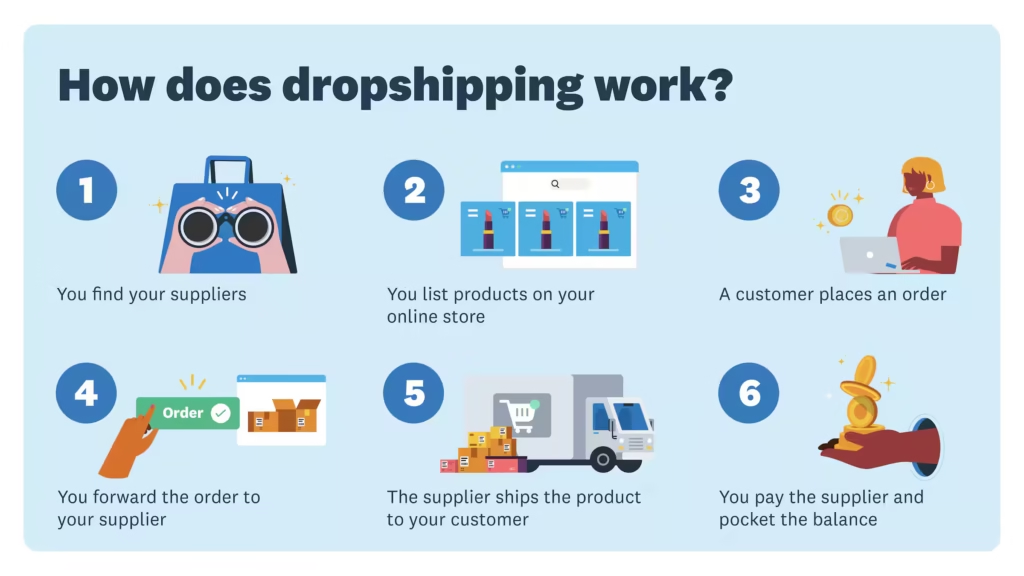
How Dropshipping Works: The No-Money Method
First, let’s simplify how dropshipping operates. Essentially, you create an online store. Then, you partner with a supplier. After that, when a customer purchases from you, you place an order with the supplier. Importantly, the supplier ships the product directly to your customer. Therefore, you never handle the product yourself. As a result, you don’t need money for inventory or a warehouse. Your primary responsibilities are marketing and customer service—not stocking boxes.
If you want to read about Optimized AI, click here.
Step 1: Finding Your Niche for Free
Begin by choosing a specific niche. But don’t just pick randomly. Instead, use free tools to research. For example, browse TikTok and Instagram Reels daily. Look for products going viral. Additionally, check Google Trends. See what people are actively searching for. Then, narrow your focus. For instance, instead of “fitness,” choose “yoga gear for travelers.” Importantly, pick something you understand. That way, creating content feels natural, not forced.
Step 2: Building Your Store at Zero Cost
Next, you need a website. Fortunately, platforms like Shopify offer free trials. So, sign up immediately. Then, use their simple templates. Focus on a clean, professional look. Also, write clear, original product descriptions. Explain the benefits, not just features. After that, set up essential pages. Specifically, create an “About Us” page, a “Contact” page, and clear shipping policies. Most importantly, be honest about delivery times. Transparency builds crucial early trust.
Step 3: Finding Reliable Suppliers
Now, connect with suppliers. Popular platforms include AliExpress, Spocket, and SaleHoo. First, create free accounts. Then, research suppliers carefully. Look for good reviews and solid communication. Next, contact them directly. Ask about shipping times and return policies. Choose your partners wisely because your supplier’s performance directly impacts your reputation. Therefore, test them with a small order first if possible.
Step 4: Driving Traffic with Free Marketing
Since you have no ad budget, creativity is your currency. Start with social media. But don’t just post product links. Instead, create genuine value. For example, if you sell kitchen gadgets, post quick recipe videos using them. Then, engage sincerely with every comment. Also, use relevant hashtags to increase visibility. Consistency here is absolutely key.
Additionally, start building an email list from day one. Use a free tool like Mailchimp or MailerLite. Then, offer a simple lead magnet—like a printable guide or a 10% discount code. Consequently, you build a direct channel to potential customers without spending a dime.
Step 5: Handling Your First Order
When your first sale comes in, stay calm and follow a process. First, the customer pays you through your store. Then, use that exact money to purchase the item from your supplier. After that, ensure your customer’s shipping details are correct. Finally, forward the tracking information to them. Provide excellent communication throughout. This turns a one-time buyer into a potential repeat customer.
Step 6: Reinvesting Your Early Profits
Once profit lands in your account, reinvest it strategically. For instance, use $20 for a targeted Facebook Ad. Or, purchase a product sample to make better content. This cycle earning and reinvesting is how you grow from zero. Gradually, you can scale what’s working.
Important Challenges to Expect
However, this path isn’t without hurdles. Primarily, shipping can be slow. Always set clear expectations upfront. Secondly, supplier mistakes happen. That’s why having a backup supplier is smart. Finally, customer service is entirely on you. Respond quickly and solve problems politely. Your reputation depends on it.
The Right Mindset for Success
Remember, starting without money requires patience and hustle. You are trading capital for effort. So, stay organized. Test different approaches. Learn from what fails. Most importantly, focus on solving a real problem for your customer. Provide value first, and sales will follow.
FAQ (Frequently Asked Questions)
Q: Can I literally start with $0?
A: Yes, for the core model. However, you may encounter tiny costs later (like a domain name for $15/year). But you can launch, market, and make sales without spending your own money on inventory.
Q: How long until I get my first sale?
A: It varies widely. Some people see sales in a week with great content. For others, it takes 1-2 months. The key is consistent, valuable marketing—don’t give up too soon.
Q: What’s the biggest risk?
A: Cash flow timing is a common hurdle. Sometimes a payment to you might be held, but you still need to pay the supplier. Having a small buffer (even $50) for these gaps is very helpful.
Q: Is dropshipping too saturated now?
A: Competition exists, but saturation is a myth for those who niche down. Instead of selling generic phone cases, sell “eco-friendly, biodegradable phone cases for gardeners.” Specificity wins.
Q: What is the very first physical action I should take?
A: Open your notes app. Then, spend 30 minutes writing down three interests you have. Next, browse TikTok for 15 minutes for each interest, noting trending products. Start there—today.
Q: Do I need a business license?
A: Initially, you can operate as a sole proprietor. However, once you make consistent sales, look into your local regulations. It’s a good step for legitimacy and protection.
Q: How do I handle returns?
A: First, create a clear return policy. Then, if a customer wants to return an item, coordinate with your supplier. Many have return policies. You will often have to absorb the cost as a business expense, so factor this into your pricing.