
Swarm Robotics: How To Start & What You Must Know
Have you ever seen a flock of birds moving as one? They swirl in the sky without a leader. This is nature’s swarm intelligence. Similarly, swarm robotics copies this idea with machines. Consequently, this field is exciting and accessible. Therefore, this guide will show you exactly how to start. Plus, you will learn all the essential facts. Let’s begin.
Swarm Robotics: Understanding The Core Ideas
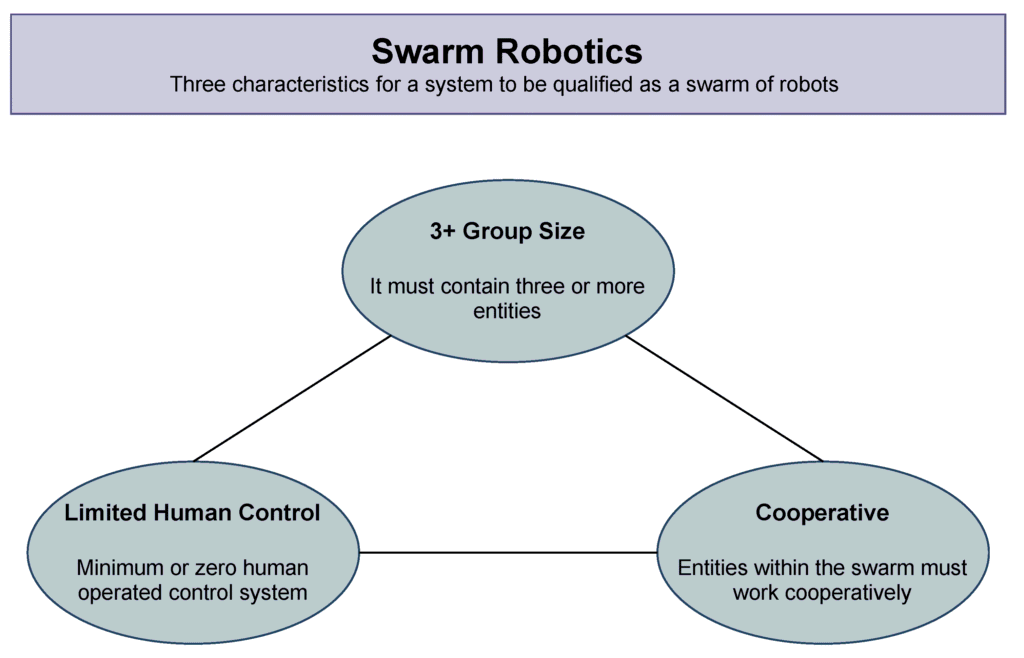
Firstly, you must grasp the basic principles. Swarm robotics is not about one complex robot. Instead, it uses many simple robots. These robots work together as a team. As a result, they achieve complex tasks through simple rules.
If you want to read about how to run your old laptop like new, click here.
1. Decentralization: No Single Leader
In a swarm, there is no central command unit. Instead, every robot makes its own decisions. It uses local information from its sensors. Therefore, the system is incredibly robust. For example, if one robot fails, the others continue working. This is a key advantage.
2. Local Communication: Talk To Your Neighbors
Next, robots only communicate with nearby partners. They might use infrared light or radio signals. Consequently, they don’t need a global map. Then they simply react to their immediate surroundings. Then this method is efficient and scalable.
3. Emergence: Simple Rules Create Complex Behavior
Finally, this is the most important concept. Each robot follows very basic instructions. For instance, “stay close” and “avoid obstacles.” However, the group shows intelligent behavior. This surprising result is called emergence. It is the magic of swarm robotics.
Swarm Robotics: Your Practical Start Plan
Secondly, now that you know the theory, let’s move to action. Starting is a step-by-step process. Here is your clear roadmap.
Phase 1: Build Your Foundation (First 3 Months)
Initially, focus on learning, not building. Master the basics before you buy anything.
- Learn The Right Language: Start with Python. It is simple and powerful. Many robotics tools support it. Alternatively, C++ is another great option.
- Understand Basic Concepts: Study sensors, motors, and simple logic. This knowledge is crucial for later steps.
- Simulate Everything First: This is the most critical step. Always use a simulator at the beginning. For example, try ARGoS or Webots. You can test algorithms with a hundred virtual robots. Consequently, you save money and time. You also learn faster by making mistakes in a safe space.
Phase 2: Move To Physical Robots (Months 4-6)
After the simulation, you can touch real hardware. Start very small to ensure success.
- Choose A Starter Kit: Buy an affordable robot platform. A good example is an Arduino-based car kit. Another excellent choice is the BBC Micro: bit. These kits are perfect for beginners.
- Begin With Just Two Robots: Your first goal should be simple. Make two robots follow each other. Or, make them avoid a collision. Use their basic sensors for this task. As a result, you will face real-world challenges like sensor noise. This experience is invaluable.
- Add Simple Communication: Then, let them share information. Use a cheap infrared LED or a Bluetooth module. Program one robot to send a signal. Program the other to react. Therefore, you will understand local interaction.
Phase 3: Scale Up Your Project (Month 6 And Beyond)
Once you succeed with a pair, you can grow slowly.
- Implement Classic Algorithms: Code famous swarm rules like “Boids.” This algorithm creates flocking behavior. Then, try it on your real robots. Additionally, experiment with foraging patterns like ants.
- Join A Community: Go online and find groups. For instance, look at Swarmathon or DIY Robocars forums. Share your progress and ask questions. Because of this, you will get help and new ideas.
- Expand Carefully: Consider moving from 2 to 5 robots. Use better communication, like Zigbee modules. However, remember that more robots create more complexity. Signals can interfere. Battery life becomes an issue. So, proceed with patience.
Swarm Robotics: The Big Picture: Future Uses and Real Challenges
Swarm robotics has amazing potential. However, it also has clear hurdles. You must know both sides.
Exciting Future Applications:
The uses for this technology are transformative. Here are clear examples.
- Search and Rescue: After a disaster, a swarm of small robots could search rubble. They cover more area than one large machine. Therefore, they can find survivors faster.
- Precision Agriculture: Swarms of drones could monitor crops. They could treat individual sick plants. Consequently, farmers would use less water and fewer chemicals.
- Environmental Cleanup: Many simple robots could clean large areas.
Key Challenges To Expect:
However, the path is not easy. Be ready for these common problems.
- The Real World Is Messy: Simulators are perfect. Real sensors are not. Light changes and floors are uneven. Your code must be robust to handle this “noise.”
- Communication Overload: With many robots talking, messages get lost. You need smart protocols to manage the chatter.
- The Safety Question: Stopping a decentralized swarm is hard. You must design a reliable “off switch” from the start. This is a critical safety step.
Swarm Robotics: FAQ – Your Questions Answered
Q: Is a university degree required?
A: No, it is not. You need curiosity and perseverance. Many great projects start as hobbies. So, anyone can begin with online resources.
Q: How expensive is it to start?
A: It is surprisingly affordable. Simulation is free. Two basic robot kits cost about $100-$200. Therefore, it is a low-cost hobby initially.
Q: What is the biggest beginner mistake?
A: People try to build a big swarm too fast. They skip the simulation and basic steps.
Q: Can I use AI with swarm robotics?
A: Yes, absolutely. However, master the basic rules first. Then, you can add machine learning. For example, robots can learn to adapt their behavior.
Q: Is this technology safe and ethical?
A: Like all powerful tools, ethics matter. Researchers are creating safety guidelines. Always think about responsible use, especially surveillance.
Conclusion: Begin Your Journey Now
In summary, swarm robotics is a fascinating field. It combines simplicity with group intelligence. Your journey starts with one simple step. Open a simulator today. Code one simple rule. Build one simple robot.
Remember, progress comes from consistent action. Therefore, start learning now. Start building next. Join a community for support. The future of technology is collaborative. And now, you have the perfect guide to start.