
Introduction
Soft robotics is revolutionizing industries, from healthcare to manufacturing. Unlike traditional rigid robots, these flexible machines mimic natural movements, making them ideal for delicate tasks. But how do they work? And what should you know before diving into this field? Let’s break it down.
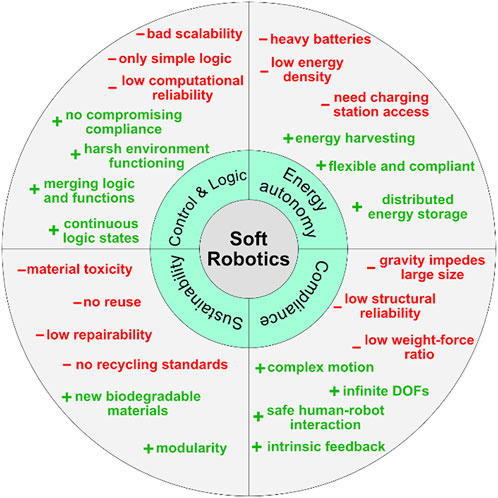
What Is Soft Robotics?
Additionally, forget clunky metal machines. Soft robots bend, stretch, and squish like living things. Made from rubber, silicone, or even fabric, they’re perfect for jobs where rigid robots would fail. Then, think of a robotic gripper that picks up a ripe tomato without crushing it; that’s the magic of soft robotics.
Soft robotics: How Do They Move?
Soft robots don’t have motors or gears. Instead, they work in clever ways:
- Air Power: Some puff up like balloons when filled with air, making arms curl or fingers grip.
- Electric Muscles: Special materials shrink or stretch when zapped with electricity, just like real muscles.
- Liquid Magic: Then, a few types of pump fluids through channels to change shape, almost like an octopus squeezing through tight spaces.
Why Soft Robots Matter
These squishy machines are changing the game in:
- Hospitals: Firstly, gentle robotic tools help surgeons operate with tiny cuts.
- Disaster Zones: Secondly, they wiggle through cracks to find people trapped in rubble.
- Factories: Delicate jobs, like packing fruit or assembling electronics, are now safer and faster.
Key Components
- Actuators: Instead of rigid motors, soft robots use inflatable chambers, shape memory alloys, or bendable materials to move.
- Sensors: Flexible sensors detect pressure, position, and deformation, helping the robot understand its environment.
- Controllers: Then, software-based systems interpret sensor data and control the actuators.
- Power Supply: Pneumatic or hydraulic pumps and lightweight batteries provide energy for movement
Soft Robotics: Want to Build One? Start Here!
You don’t need a lab to try soft robotics. Here’s how to begin:
- Start Simple: A gripper made from a latex glove.
- Move to Air Power: Then, use a bike pump to control a silicone “muscle.”
- Add Smarts: Connect sensors so your robot reacts to touch or light.
FAQs – No Jargon!
Q: Can soft robots lift heavy stuff?
A: Nope – they’re weak but gentle. Perfect for fragile tasks, not for weightlifting.
Q: Where will I see them in real life?
A: Hospitals first, then farms (picking produce), and maybe even your home (soft robot pets?).
Q: Can kids try this?
A: Absolutely! YouTube has tutorials for building worm-like robots with just tape and plastic bags.
Q: What’s the tricky part?
A: Keeping them durable. Rubber wears out faster than steel.
Soft Robotics Final thought
Soft robotics isn’t science fiction anymore. From helping surgeons to exploring oceans, these bendy bots are solving problems. We never thought possible. The best part? You can start tinkering today with stuff from your kitchen drawer.
Pro Tip: Search for “DIY soft robotics kit” to find affordable ways to start your first project!