
Introduction
TinyML (Tiny Machine Learning) is revolutionizing the way we deploy AI on small, low-power devices. From smart sensors to wearables, this cutting-edge technology enables machine learning models to run on microcontrollers with minimal energy consumption.
Additionally, if you’re curious about how to get started with TinyML, this guide covers the essentials, from key concepts to practical steps. Want to run AI on small, low-power devices? TinyML makes it possible! This guide explains everything in plain English so you can start building smart devices today
What is TinyML?
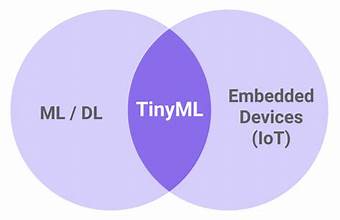
Additionally, TinyML enables you to deploy machine learning on small computers known as microcontrollers. Moreover, these are the brains in devices like thermostats, fitness trackers, and smart sensors.
Key benefits:
- Firstly, works without internet
- Secondly, uses very little power
- Thirdly, responds instantly
- Then, keeps data private
Why Use TinyML?
Moreover, TinyML offers several compelling benefits:
- Firstly, Reduced Latency: Decisions happen instantly on the device.
- Secondly, Energy Efficiency: Models are optimized for low power consumption, making them ideal for battery-powered devices.
- Thirdly, Data Privacy: Sensitive data stays on the device, reducing security risks.
- Then, Low Bandwidth: No need for constant cloud connectivity, saving data and costs.
Furthermore, you’ll find TinyML powering applications in smart home devices, wearables, industrial sensors, and even agricultural tools.
How Does TinyML Work?
To run machine learning on tiny devices, you need to optimize your models. This involves:
- Quantization: Converting model weights to lower-precision formats to save space.
- Pruning: Removing unnecessary parts of the model to reduce size and computation.
- Compression: Using algorithms to shrink the model further without losing accuracy.
Moreover, once your model is optimized, you deploy it to a microcontroller using frameworks like TensorFlow Lite for Microcontrollers (TF Lite Micro). Then, this setup allows the device to collect data, preprocess it, run inference, and act on the results, all on the edge
TinyML Getting Started in 4 Easy Steps
1. Learn the Basics
Firstly, you’ll need to know:
- How microcontrollers work (like Arduino or ESP32)
- Basic machine learning concepts
- How to collect sensor data
Don’t worry – you don’t need to be an expert!
2. Pick Your Tools
Secondly, try these beginner-friendly options:
- Edge Impulse (easiest for starters)
- TensorFlow Lite Micro (good for simple projects)
- Arduino IDE (familiar to many makers)
3. Train Your First Model
Thirdly, here’s the simple way:
- Collect data from sensors
- Upload it to Edge Impulse
- Let the platform train a model
- Test how well it works
4. Put It on a Device
Then, most models are small enough for:
- Arduino Nano 33 BLE
- ESP32
- Raspberry Pi Pico
Just flash the model and watch your device get smart!
Cool Things You Can Build
- A plant that tells you when it’s thirsty
- A doorbell that knows who’s there
- Then, a fitness tracker that counts exercises
FAQ (Simple Answers)
Q: What’s the easiest board to start with?
A: Arduino Nano 33 BLE Sense – it has built-in sensors!
Q: Do I need to know math?
A: Not much! Tools like Edge Impulse do the hard parts.
Q: How small are these AI models?
A: Some fit in less space than this sentence!
Q: Will it drain batteries?
A: Nope! Many devices run for months on a single charge.
Ready to Try?
Then, start with a simple project like:
- A voice-controlled light
- A smart alarm that knows real threats
- Then, a gesture-controlled toy
The best way to learn? Just start! Then, pick a small idea and give it a try. What will you build first?