
Introduction
The General Data Protection Regulation (GDPR) isn’t going away, it’s evolving. New updates mean businesses must stay alert or risk heavy fines (up to €20 million or 4% of global revenue).
Moreover, GDPR rules are here, but don’t worry, we’ll explain everything in plain English. These changes affect how businesses handle customer data, and we’ll show you exactly what to do.
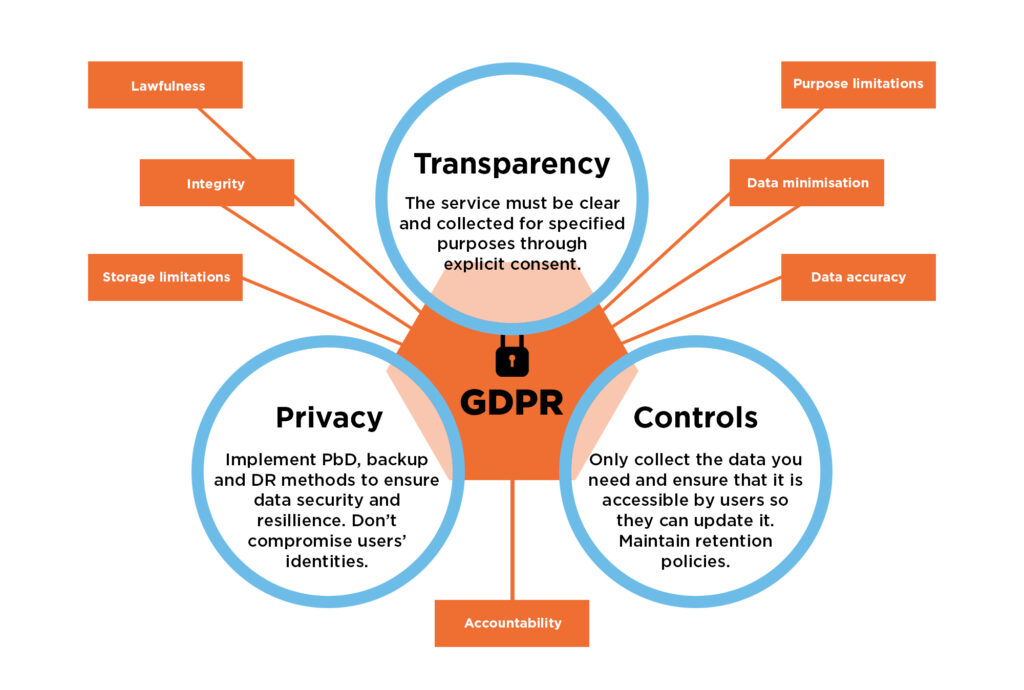
GDPR: Here’s what matters most:
- Firstly, new consent rules (no more sneaky checkboxes)
- Secondly, bigger fines for small mistakes
- Thirdly, clear rules about using AI with personal data
- Then, the Rules now apply to more businesses worldwide
Let’s make this simple so you can stay safe.
If you read about Quantum Supremacy, Click Here
The 5 Biggest GDPR Changes
1. GDPR: Clearer Permission Rules
- Firstly, no more pre-checked boxes – people must actively say “yes”
- Secondly, “No” must be as easy as “yes” on cookie popups
- Thirdly, example: Your website can’t say “By using this site, you agree…” anymore
2. GDPR: Small Mistakes Can Cost Big
- Losing customer data = automatic fine risk
- 72-hour reporting rule is strictly enforced
- Example: Even losing one customer’s email must be reported
3. GDPR: AI Transparency Rules
If you use AI that makes decisions about people:
- You must explain how it works in simple terms
- People can say no to AI decisions about them
4. Rules Now Apply to More Businesses
Even if you’re not in Europe:
- Selling to EU customers? GDPR applies
- Getting EU website visitors? GDPR applies
5. People Have More Control
Customers can now:
- Ask “Show me what you know about me” (free)
- Say “Delete all my data” (with a few exceptions)
GDPR: What This Means for Your Business
Online Stores Must:
Firstly, make unsubscribe buttons easy to find.
Secondly, let customers download their purchase history.
Thirdly, stop saving payment info without permission.
Service Businesses Must:
Firstly, update contracts with clear privacy terms
Secondly, train staff to handle data requests
Then, stop keeping client info “just in case.”
Tech Companies Must:
Explain how AI tools use data
Offer data processing agreements
Build easy opt-out options
Simple 5-Step GDPR: Compliance Plan
Step 1: Check What Data You Have
- Make a list of all the customer information you collect
- Note where it’s stored (email, cloud, paper files)
Step 2: Update Your Privacy Notice
- Moreover, write it like you’re explaining to a friend
- Then, include:
- Why do you need data?
- How long will you keep it?
- Who else sees it?
Step 3: Fix Your Cookie Banner
- Firstly, use a trusted tool like CookieYes (free options exist)
- Then, make “Reject All” just one click
Step 4: Prepare for Requests
- Moreover, create a simple form for:
- Firstly, data access requests
- Secondly, deletion requests
- Furthermore, set calendar reminders to respond within 30 days
Step 5: Train Your Team
- Moreover, teach staff to:
- Spot potential data leaks
- Report issues immediately
- Handle customer requests politely
GDPR: Common Questions Answered
1. Does this affect US businesses?
Yes, if you have EU customers or website visitors.
2. What’s the worst that can happen?
Fines up to €20 million or 4% of your global sales.
3. Do I need to hire a data expert?
Only if you’re a large company or handle sensitive data.
4. How do I delete customer data properly?
- Use secure deletion tools
- Keep records of what was deleted
- Some data (like invoices) must be kept for tax purposes
5. Are popular tools like Mailchimp okay?
Yes, but you must:
- Sign their data agreement
- Tell customers you use these tools
Helpful (and Affordable) Tools
Firstly, Cookie Consent: CookieYes (free plan available)
Secondly, Data Tracking: Simple spreadsheets work fine
Then, Security: Built-in features from Google or Microsoft
Your Action Plan
This Week: Check what data you collect
Next Week: Update your privacy policy
Next Month: Train your team on the basics
GDPR: Why This Helps Your Business
Following these rules:
Firstly, makes customers trust you more
Secondly, prevents expensive legal trouble
Then, puts you ahead of competitors
Start small today – pick one thing from this list and do it now!