
Introduction
Build a Startup, starting a business is exciting, but it can also be overwhelming. Most startups fail not because of bad ideas but because of avoidable mistakes.
Additionally, starting a business feels scary. I know – I’ve been there. You have an idea, but don’t know where to begin. The good news? Building a successful startup isn’t about being a genius. It’s about avoiding common mistakes and taking smart steps.
Let me walk you through exactly what works. No jargon. Just clear, practical advice that’s worked for real founders.
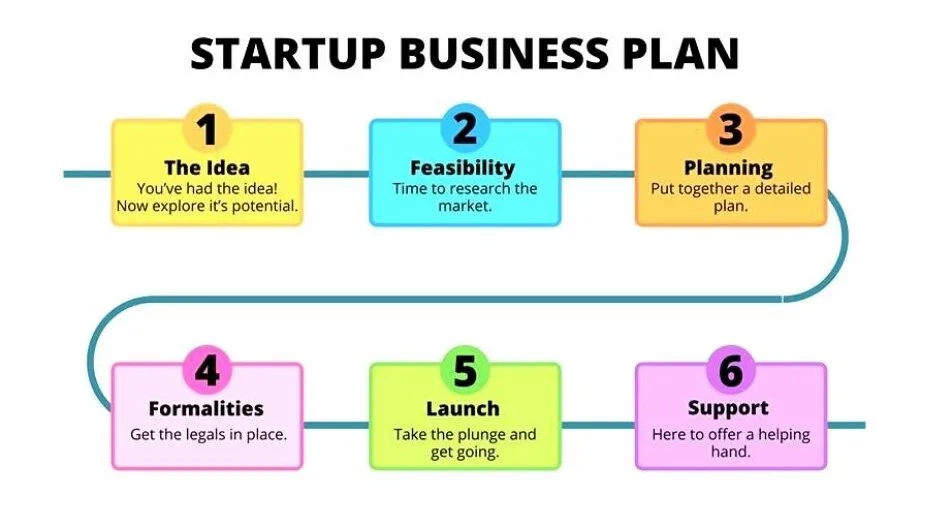
Why Most Startups Fail for Startups (And How to Avoid It)
Nine out of ten startups close within five years. Here’s why:
- They build something nobody wants
- They run out of money too fast
- The team falls apart
The solution is simple: Test your idea first. Spend carefully. Choose the right partners.
Step 1: Prove People Want Your Product for a Startup
Don’t waste months building something nobody will buy. Test your idea first.
Easy ways to test:
- Talk to 20 potential customers. Ask: “Would you pay for this?”
- Make a simple website describing your product. See if people sign up.
- Try to sell it before it exists. (Yes, really!)
Real example: The founder of Zappos started by taking photos of shoes at local stores. He didn’t buy inventory until people ordered.
If you want to read about how to use ChatGPT like a Pro, Click Here
Startup Step 2: Build the Right Team
You can’t do it alone. You need help. Look for:
- Someone good at selling (the “Hustler”)
- Who can build the product (the “Builder”)
- Someone who understands customers (the “Helper”)
Important: Use a 4-year vesting schedule. This means if someone leaves early, they don’t take too much of the company.
Startup Step 3: Make Money the Smart Way
Before spending money, answer:
- Firstly, who will pay you?
- Secondly, how much does it cost to get each customer?
- Then, how much is each customer worth?
Golden rule: Each customer should be worth at least 3 times what it costs to get them.
Startup Step 4: Launch Fast (It Doesn’t Need to Be Perfect)
Your first version should be simple.
- Firstly, Facebook started for just Harvard students
- Secondly, Airbnb began with air mattresses on the floor
- Then, Amazon sold only books at first
Key point: Launch now. Improve later.
Step 5: Save Money Like Your Business Depends on It (Because It Does)
Most startups fail because they run out of cash. Be smart:
- Firstly, get customers to pay upfront
- Secondly, use free tools when possible
- Then, trade services instead of paying cash
Only take investor money if:
- You already have customers
- You need to grow fast
- The investor brings special help
Startup Step 6: Grow Without Spending Too Much
Forget expensive ads at first. Try these free methods:
- Ask happy customers to tell friends (offer them a reward)
- Partner with other businesses
- Write helpful blog posts about your industry
Step 7: Know When to Change Course
Sometimes your first idea won’t work. That’s normal. Change when:
- Customers use your product differently than you expected
- Sales don’t grow for several months
- You find a better opportunity
Quit only if:
- Firstly, you’re out of money with no way to get more
- Secondly, nobody wants what you’re selling
The Most Important Thing: Don’t Give Up
Building a business is hard. You’ll want to quit many times. The founders who succeed are the ones who keep going when others stop.
What To Do Right Now
- Talk to 3 potential customers today
- Write down your simple business plan
- Plan to launch something in the next 30 days
Remember: Every big company started small. Your idea could be next.